Industrial Soundtrack For The Urban Decay (Les Films Du Garage film, 2014)

Industrial Soundtrack For The Urban Decay logo

Industrial Soundtrack For The Urban Decay is a film by Amélie Ravalec and Travis Collins which will be released in late 2014.

The film charts the history and development of industrial music through the political, economic and urban upheaval experienced in late Seventies Europe and America through a series of interviews with the key individuals and groups that were at the forefront of this musical genre.

The film features interviews with many names familiar to Mute Records fans – Chris Carter, Cosey Fanni Tutti and Genesis Breyer P. Orridge from Throbbing Gristle, Boyd Rice, Graeme Revell, Stephen Mallinder from Cabaret Voltaire and other luminaries such as Test Dept, Hula and Z’Ev. The film promises to be one of the first, and certainly most comprehensive, surveys of a scene whose echoes can still be felt in the worlds of Factory Floor and noise protagonists like Cold Cave.

A trailer for Industrial Soundtrack For The Urban Decay can be viewed below. A Documentary Evidence interview with Ravalec and Collins, as well as a review of the film, will follow later in 2014.

For more information, a list of interviewees and a selection of industrial mixtapes (including one by electronic music stalwart and Simon Fisher Turner / Githead collaborator Robin ‘Scanner’ Rimbaud) head to industrialsoundtrack.com

(c) 2014 Mat Smith / Documentary Evidence

Erasure – Blood On The Snow (cocktail)

Erasure - Blood On The Snow (cocktail)

Harry MacElhone’s ABC Of Mixing Cocktails is widely acknowledged as the go-to book for authentic mixology. Harry MacElhone was the owner of Harry’s New York Bar in Paris – a firm favourite with the Hemingway crowd – and either personally created or offered some of the earliest cocktails, many of which have become enduring classics.

The Bloody Mary is such a drink. Although at least three people have laid claim to inventing the drink, the story that’s most credible is that the Bloody Mary as we know it today was created by Fernand ‘Pete’ Petiot, a bartender at Harry’s New York Bar in Paris in 1921. A man named George Jessell is one of the bartenders who claimed to have mixed vodka with tomato juice for the first time, but it’s Petiot that first mixed it with lemon juice, Tabasco sauce and salt (tomato juice in the Twenties was sold without salt having been added, unlike today) to give us the basis of the drink that’s become a staple hangover cure today. (There are some decent arguments for why the antioxidants in the ingredients make this the best hair of the dog out there, but sadly received scientific wisdom would argue that nothing’s better than water to overcome the night before’s shenanigans.)

Petiot claims he first prepared the drink for two Chicagoans who had visited Harry’s Bar, and the name stemmed from them wistfully recalling a bar back home called The Bucket Of Blood and a specific waitress called Mary who worked there. Others have claimed it was named after Queen Mary. We’ll never know for sure, but we can be assured that the addition of spice – principally to please the American palate – was every bit as inspired a move as mixing tomato juice and vodka in the first place.

Although variations of Bloody Marys are now ten a penny, Petiot’s original recipe which is included in MacElhone’s ABC Of Mixing Cocktails is firm on one divisive ingredient: ‘above all no celery salt’. Thus he would turn in his grave at the Blood On The Snow – named after a track from Snow Globe – which not only includes the offending inclusion but also horseradish sauce.

Harry's New York Bar, Paris

Unfaithful to a proper Petiot Mary it might be, but this is a drink that deals well with extra spices, and so adding that alongside Tabasco and worcestershire sauce still makes for a great drink, even if drinking lumpy horseradish sauce takes a bit of getting used to. I’m with Petiot and MacElhone on this one though – you can keep your celery salt. And if you find the idea of drinking vodka with brunch the next day a little hard to justify (poor, poor you), ditch that and prepare it as a virgin version – you won’t notice its omission through the spice.

(c) 2014 Mat Smith / Documentary Evidence

Teany, 90 Rivington Street, New York

Image

Teany

Teany is the vegetarian restaurant established by Moby and his ex girlfriend Kelly Tisdale, located on Rivington Street, New York, just off Bowery in the Lower East Side.

Moby and Tisdale are no longer involved in the venture, and I don’t believe Moby was ever really ever actively involved, but the pair did pen a book of Kelly’s recipes, and the book included a whole stack of Moby’s self-deprecating Little Idiot drawings. The restaurant even spawned a range of Teany-branded iced tea drinks; I bought one once from a convenience store on Fifth Avenue, but I couldn’t tell you now what flavour it was, or even if I enjoyed it, though I’m slightly surprised I didn’t try to squeeze the empty bottle into my suitcase. The name Teany itself was an amalgam of the words tea and the abbreviation for New York, as well as being an intentional misspelling of teeny, as in small. Which it is.

I’ve been to Teany twice. The first time was in 2005, back when Tisdale and Hall were still the proprietors. It was a hot late summer afternoon in Manhattan, and I’d dragged my pregnant wife across the island to Bowery with the sole intention of getting a drink a Teany. When we got there the place was heaving, the tables outside were all taken, and, well, I was a bit of a chicken about going in places like that. I don’t know why. Mrs S was not hugely impressed with me, mostly because she was tired and grumpy because of bring pregnant, but also because back then the area round Bowery was still a bit edgy.

The second time was this year. My family and I were schlepping around the area in pursuit of, variously, ice cream, rice pudding and cheesecake, all of which were consumed before lunch. Don’t ask why. Rivington Street itself was pretty empty, and when we walked past Teany I thought I would nip inside to take a look and also to try and buy a mug. Back in the day, Teany offered a limited range of merchandise, but they wouldn’t ship to the UK. The webshop ceased trading a few years ago also, and despite some enquiries via an email address off their website, it seemed that a Teany mug was not going to be mine. So I thought I’d pop in and see if they’d sell me one on the off chance.

Sadly that was not meant to be. I had an exchange with a pretty waitress who didn’t speak much English (and who clearly couldn’t work out how to comprehend my English accent), somewhere on the axis between confusing and frustrating. It went a little like this:

‘Do you still sell mugs?’

‘You wan’ milk?’

‘No, I want to buy a mug. Do you still sell mugs?’

‘Milk?’

‘No, a mug.’

‘I’m sorry – whas’ a, a, merg?’

‘It’s like a cup. But, you know, a mug?’

‘You wan’ a cup of milk?’

‘No!’ I then spied a white mug with a red Teany logo on the shelf behind her. ‘One of those!’

‘Ah, you mean a mug!’

‘Yes, do you sell those?’

‘No.’

‘Okay. Bye.’

If I’m honest, I didn’t like the interior much. It was a lot smaller than I thought it would be and, well, a bit shabby. I’m not sure if this is how it would have looked back in the day, but I wasn’t that impressed. I obviously didn’t eat so I can’t comment on the food.

Anyway, I can say I’ve been in now, and I can (not without some disappointment) put to rest my quest for a Teany mug.

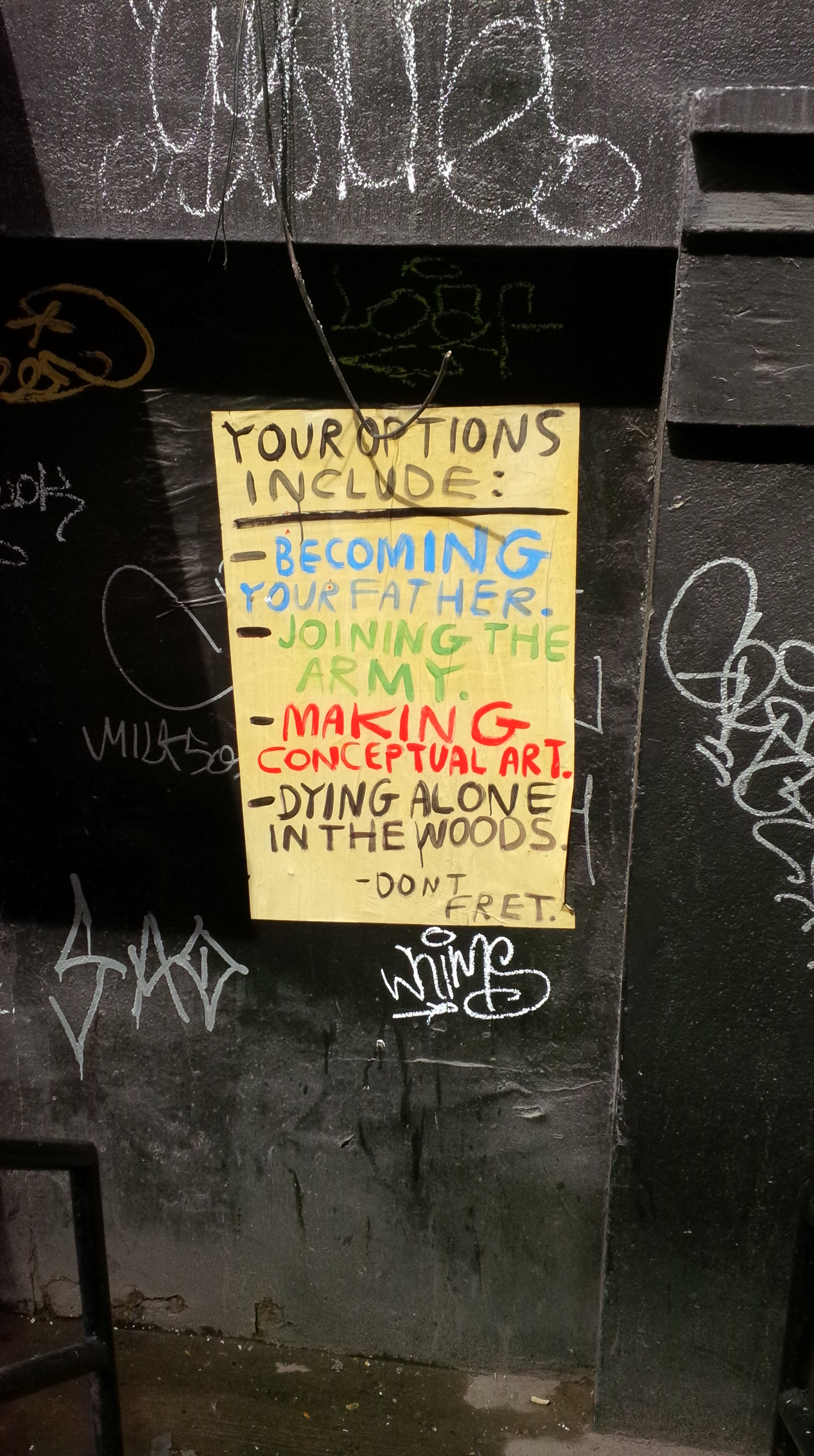
As we turned off Rivington and headed down Ludlow, I found this bit of graffiti, which cheered me up.

Grafitti on Ludlow Street

Wise words.

(c) 2014 Mat Smith / Documentary Evidence

Swans, Concorde 2, Brighton 02/06/2014

Swans, Concorde 2, Brighton 02/06/2014 (c) Andy Sturmey
Swans, Concorde 2, Brighton 02/06/2014 (c) Andy Sturmey Swans, Concorde 2, Brighton 02/06/2014 (c) Andy Sturmey Swans, Concorde 2, Brighton 02/06/2014 (c) Andy Sturmey

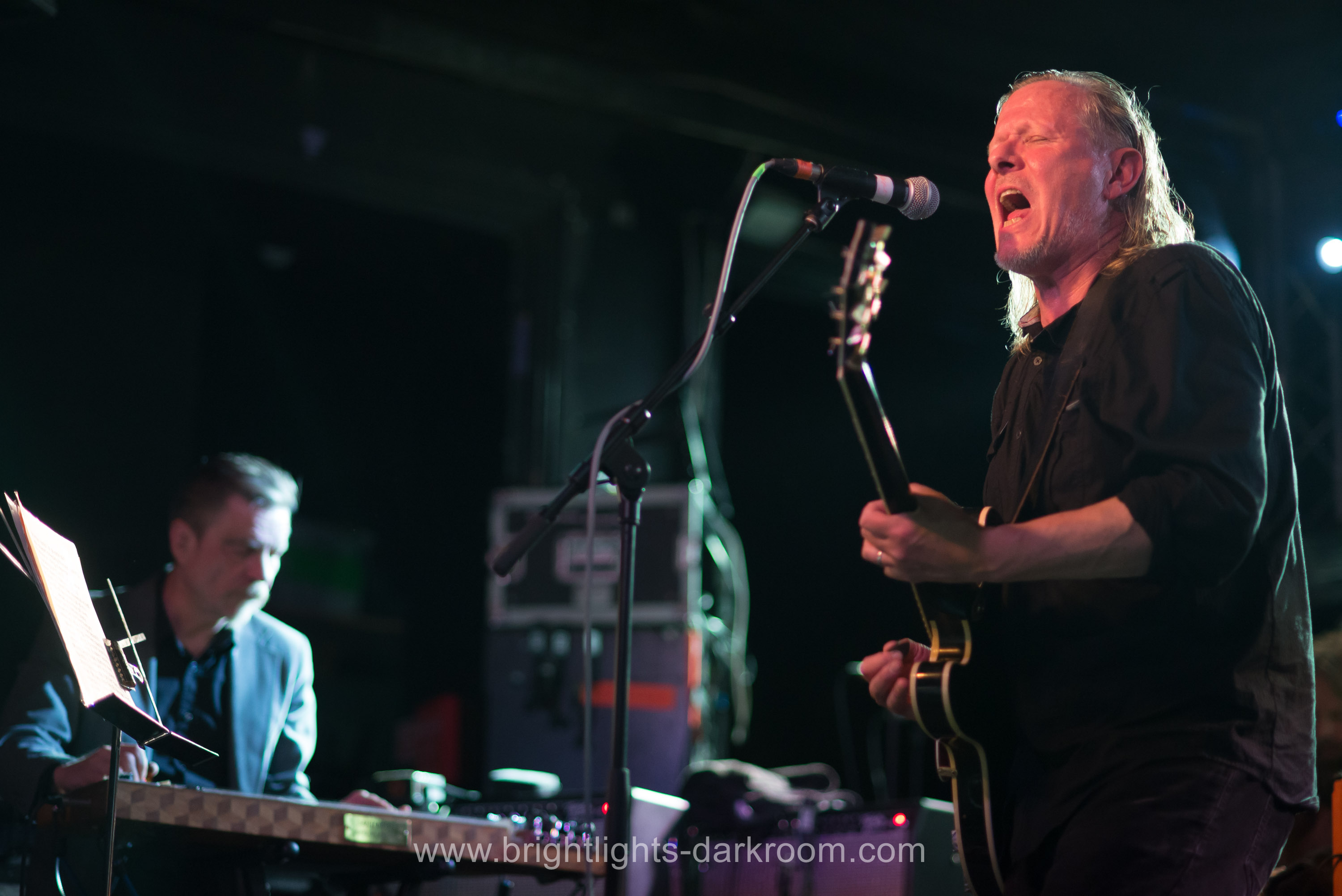
Swans performing at Concorde 2, Brighton 02/06/2014.

Photos used with kind permission of Andy Sturmey (Brightlights-Darkroom Photography).

Click individual images to enlarge.

(c) 2014 Andy Sturmey / Brightlights-Darkroom Photography

Jorge Punaro – An Introduction To Mute (Spotify playlist, 2014)

Jorge Punaro - An Introduction To Mute

At Documentary Evidence, we like to think of ourselves as pretty knowledgeable about all things Mute, but Jorge Punaro is the ultimate expert, and his collection includes some of the most sought-after items in the back catalogue of the label.

By way of proof, Jorge has obsessively compiled this extensive Mute playlist on Spotify, consisting of 133 tracks available on the platform presented largely in alphabetical order. Jorge even points out that the full playlist – containing tracks from every artist that recorded for Mute and many of its sub-labels – contains a whopping 153 tracks, but that twenty artists aren’t available on Spotify.

This painstakingly-prepared playlist runs for a staggering 12 hours and can be found here.

Thanks to Jorge.

(c) 2014 Mat Smith / Documentary Evidence

Nick Cave Introduces The Gospel According To Mark (Canongate book, 1998)

'The Gospel According To Mark' book artwork

canongate | book | 1998

Nick Cave supplied an illuminating introduction to this small book, which formed part of a series of £1 editions of Biblical chapters. Other works in the series saw Will Self scribing an introduction to Revelation, and Fay Weldon introducing Corinthians.

I consider this illuminating, principally because it seems to offer up something of an explanation for the transition that Nick Cave’s music underwent as The Bad Seeds extrapolated the visionary fire and brimstone works that fell easily out of The Birthday Party‘s howling reverie, stretched that until it snapped, leaving a more mellow, almost meditative sound. ‘Up Jumped The Devil’, so the song goes, but despite running amok through Murder Ballads, it was pretty clear he was running away from Nick Cave.

Cave’s initial disdain for everything New Testament stems, according to his introduction, from his time in the Wangarafta Cathedral Choir in his pre-teens, and he uncharitably describes the book as ‘wishy-washy’ at best and ‘the decaf of worship’ at worst. The interest in the vengeful God of the Old Testament, meting out punishment and retribution to the nascent residents of his planet came from Cave’s interest in violent literature in his early twenties, fully explaining the nihilism which dominated both The Birthday Party and Nick’s own self-abuse.

So, what prompted the shift in focus from the Old to the New, the angry to the reflective? ‘You grow up,’ Cave explains. ‘You do. You mellow out. You no longer find comfort watching a whacked-out God tormenting a wretched humanity as you learn to forgive yourself and the world.’

Cave attributes his turn toward the New Testament to a vicar who suggested he start with this very gospel, ostensibly because it was the shortest. He enthuses over Mark’s grasp of enthralling narrative gestures and mysterious simplicity, his portrait of Christ as a solitary figure and one focussed on the fate that he knew was ahead of him. Cave also cites Mark as continuing to influence his spirituality and religiousness: ‘The essential humanness of Mark‘s Christ provides us with a blueprint for our own lives, so that we have something that we can aspire to, rather than revere, that can lift us free of the mundanity of our existences, rather than affirming the notion that we are lowly and unworthy.’

It’s a long, long way from ‘Nick The Stripper’ but delivered with such a compelling grasp of theology that it may well have prompted a religious conversion among a few fans with its enthusiastic words, much like Mark did for Cave himself.

(c) 2014 Mat Smith / Documentary Evidence

Erasure – A Little Raspberry-spect (cocktail)

Image

IMG_20140531_204657

So, following up my post last week about the Blue Savannah cocktail from the Snow Globe boxset booklet of recipes, I decided that the next one on the list would be the A Little Raspberry-spect. Clearly, this is somewhat clumsily named after what I recently described as Vince Clarke and Andy Bell‘s signature song, ‘A Little Respect’, and just like that single, this one has hit written all over it.

This is a mix of gin, lemon juice and muddled raspberries, the tartness of which is offset by sugar syrup (I used agave syrup, which has a lower GI, whatever that means, and where the taste is a bit less in your face). The recipe in the Snow Globe book specifically calls for Beefeater gin, but I wasn’t going to go and buy some just for this, and instead used the dregs of some Tanqueray that have been skulking in the back of the drinks cabinet since Christmas. (The second time around we used vodka and that worked just as well.)

This drink is refreshing, sweet / sour, brilliantly seasonal and provides a neat use for raspberries that have gone a bit squidgy and which would otherwise be destined for a smoothie if you can be bothered, or the bin if you can’t. It also looks pretty darned chic as well, and might well replace the relative heaviness of Pimm’s round our way when summer really gets going.

(c) 2014 Mat Smith / Documentary Evidence

Yeasayer – Fragrant World (Mute Records album, 2012)

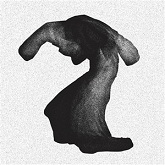
Yeasayer 'Fragrant World' LP artwork

mute artists | lp+cd/cd/i stumm346 | 20/08/2012

If 2010’s Odd Blood was Yeasayer‘s attempt to have what the band’s Chris Keating described at the time as a ‘dialogue with pop’, third album Fragrant World is more or less a reaction against the dominance of that album’s deliberately anthemic sound. On Odd Blood that approach yielded huge tracks like ‘Ambling Alp’ and ‘O.N.E’ but it also left Keating and the others – Anand Wilder and Ira Wolf Tuton – feeling a little dismayed that the audience at their shows really only knew and cared for those songs.

Taking its seemingly pastoral title from a vision Keating had of a dystopian, Ballardian world devoid of smell, Fragrant World was recorded in the band’s Brooklyn home at the studio of Daniel Lopatin, also known as experimental musician Oneohtrix Point Never. Whilst it may sound much more electronic than its predecessor, with little unprocessed guitar to be heard, during an interview with Keating that I did for Clash, he insisted that the record was created using plenty of guitar and bass sounds, but that those were used to trigger samplers and various sound sources alongside pure electronics. When I suggested that actually it isn’t a very electronic record at all, he challenged me to rethink my concept of what makes an electronic record, it not being necessary to think of such a record as being dominated by traditional keyboards and synths.

One of Yeasayer’s more characteristic facets, namely tracks which seem capable of being depressing and uplifting at the same time, is never very far away. Opening track, ‘Fingers Never Bleed’ is a case in point. Built on a jerky rhythm, Anand Wilder delivers a strained vocal complete with resigned observations on people who want to take the easy option of playing air guitar and committing corporate fraud (an interesting slant that suggests both are equal sins) so that their ‘fingers never bleed’. Sonically busy, the song sets the tone for Fragrant World with lots of loops, skittering percussion, relaxed guitar and piano, the elements coalescing into a vaguely uplifting chorus blended with whining electronics that leaves you characteristically unsure how you should be feeling. ‘Demon Road’ is another track with an Odd Blood feel, albeit one that is dubby, steady, regretful and anguished. ‘All hell is gonna break loose,‘ sings Keating, the track having that same, complex, anguished anthemic quality that defined Fragrant World‘s predecessor. The conclusion sees vocodered vocals blended with straight harmonies, something about the stridency of the combination feeling like an electro-country missive.

Keating told me about his enthusiasm for late Eighties Chicago house when I spoke with him. Like many of the echoes of other musics that get filtered through Yeasayer’s sonic lens, it’s not something that overtly features on Fragrant World. Nevertheless, tracks like ‘No Bones’ hint at that interest. After some stop-start robotic beats, there’s a point in Keating’s ‘chorus’ where the beats become a sticky 4/4 mesh, much like a breakdown in a DJ’s set, sending the not-quite fontman into rapturous, housey euphoria. Stand-out track ‘Reagan’s Skeleton’ has a droning bassline, and even features the classic ‘ah yeah‘ sample, once the staple of early dance music records. Over thudding beats, Keating delivers a vocal about the evil red-eyed skeleton of Reagan coming at you, horror-film stylee, in the moonlight. It’s urgent and slick, blending evocative Eighties sounds with classic dance music synths and altogether more modern sensibilities.

If Keating’s songs aim for some sort of transcendancy, Wilder’s songs are altogether more introspective. ‘Blue Paper’ opens with processed sounds that could have been lifted from an Indian cinema soundtrack. Wilder here delivers a cynical tale of a rich girl who suddenly decides to reconnect with nature, moving away from her spoiled life, something Wilder can’t ‘buy for a second‘. Musically, it’s subtle, gentle pulses and shimmering sounds until the middle eight of the song, where things get a bit wonky, the track concluding with a retro electro rhythm and some nice vocal harmonies about writing something on blue paper. Live highlight ‘Devil And The Deed’ has fractured electro beats, electronic slide guitar and occasional synth interjections; the track maintains a minimal footprint until the chunky, desperate chorus, which seems to be about sexual pressure, declining moral standards, and difficult, agonised decisions. There are also two beautiful instrumental sections which have an electronic musicbox melody, evoking warm memories of Depeche Mode‘s ‘Shouldn’t Have Done That’ from This Broken Frame.

Two of the most unusual songs close out the album. ‘Folk Hero Schtick’, is, on the surface at least, a joyous, upbeat jangly electro pop with a vocal that sounds suspiciously like Wilder doing an impression of Level 42’s Mark King. It seems to be a tired plea for a famous folk hero (Dylan?) to call it quits. Lots of big electronic sounds and a fair amount of processing make for a sprawling, but engaging skewed pop highlight of Fragrant World. Album finale ‘Glass Of The Microscope’ starts as classically low-key end to the album, with wistful vocals reminiscing about nice days and sweet memories. After some beautiful, serene ambience, sympathetically processed vocals take a turn toward the unexpected with the misanthropic line ‘in truth we’re doomed‘. It’s wryly humourous with its Dad’s Army-style sense of panic, but as an ending point it’s pretty depressing, even if the track’s final moments are among the most stirring on the whole album.

In the US, the album was released as a special edition LP with a free 7″ of the non-album track ‘Fragrant World’ backed with an exclusive remix of ‘No Bones’ as well as a t-shirt. Here in Blighty, Mute didn’t opt for such shenanigans, and the bonus track was only made available as a iTunes pre-order exclusive. Later in the year, at the Rough Trade East Mute showcase with high-end personal audio equipment manufacturer Bowers & Wilkins in December, the indie music chain ran a promotion to get a free copy of the 7″ if you bought any Yeasayer release. (Apparently there are two versions of the 7″ – a black one and a glow-in-the-dark one). Quite why the band decided to leave ‘Fragrant World’ off the album is something of a mystery, particularly as it was part of their live set, as it’s a really good track – lots of deep electronic sounds, organic percussion, really evocative, weary vocals from Chris Keating and even some quirky guitar and electronic sax tones. The Helado Negro mix of ‘No Bones’ is a bit of a mess, a jumble of snatched sections from the original assembled into a weird collage.

Yeasayer 'Fragrant World' 7" artwork

Videos for all eleven songs from the album were put on various websites for around 48 hours at the start of August 2012 under the banner PSCYVOTV (PREEMPTIVE SELF-COMMISSIONED YEASAYER VORSTELLUNG or TRACK VISUALIZER), allowing those with plenty of time to kill a wild goose chase around the farthest corners of the web to see director Yoshi Sodeoka’s vignettes and hear the album before its official release.

Track listing:

lp/cd/i:
A1. / 1. Fingers Never Bleed
A2. / 2. Longevity
A3. / 3. Blue Paper
B1. / 4. Henrietta
B2. / 5. Devil And The Dead
C1. / 6. No Bones
C2. / 7. Reagan’s Skeleton
C3. / 8. Demon Road
D1. / 9. Damaged Goods
D2. / 10. Folk Hero Shtick
D3. / 11. Glass Of The Microscope
12. Fragrant World (iTunes bonus track)

7″:
A. Fragrant World
B. No Bones (Helado Negro Remix)

First published 2012; edited 2014.

(c) 2014 Mat Smith / Documentary Evidence

Si Begg – Extreme Environments (free album, 2014)

Si Begg 'Extreme Environments' download artwork

self-released | download | 26/05/2014

Extreme Environments is a free, download-only album from former NovaMute artist Si Begg made available through the Soundcloud platform.

The album is instantly more sonically intricate than Si Begg’s last album proper, 2013’s Permission To Explode, showcasing a strand of brutal ambience across its ten short tracks. Howling drones, glitches, crisp static and ominous tones are responsible for giving this a largely threatening tone, offset by occasional periods of reflection and slowly-evolving, heavily-shrouded melody. ‘Location 4’ almost sounds like a finely wrought piece of minimalist composition or the soundtrack to a particularly harrowing scene from a Darren Aronofsky flick, while the tranquil euphoria of ‘Location 6’ could be a missing track from Brian Eno’s The Shutov Assembly.

‘It was originally going to be a couple of tracks to show off my new sample library and instrument [Kontakt] that I developed,’ explains Si Begg by email, ‘but then I had so much fun I decided to do a whole LP of this kind of detailed / immersive stuff. Then I thought I’d whack it out for free as it’s not something that is in any way commercial and also it hopefully will promote the product a bit along the way.’

Since departing NovaMute, Si Begg has made a name for himself as a commercial composer for advertising and other media. Such a career move inevitably requires a degree of flexibility and the ability to switch between styles on a whim. Whilst ostensibly an ambient giveaway, Extreme Environments nonetheless highlights that Si Begg can turn his hand to more or less anything with an equal sense of space and depth.

Read more about Si Begg’s Extreme Environments sample library and Kontakt instrument here.

Download the free Extreme Environments album from Soundcloud here.

Stay tuned to Si Begg’s YouTube channel for a series of videos to go with the album.

Track listing:

dl:
1. Location 1
2. Location 2
3. Location 3
4. Location 4
5. Location 5
6. Location 6
7. Location 7
8. Location 8
9. Location 9
10. Location 10

(c) 2014 Mat Smith / Documentary Evidence

Erasure – Blue Savannah (cocktail)

Image

Erasure - Blue Savannah (cocktail)

To celebrate the announcement of the new Erasure album yesterday, I thought it was probably high time to take a proper look inside the box of their last album, 2013’s Snow Globe. Specifically, I thought I’d raise a glass to The Violet Flame by mixing one of the Erasure song-themed drinks included in the novelty cocktail booklet that came inside the Snow Globe box.

Alongside my love of all things Mute, another of my interests is making cocktails. I don’t say that as code for enjoying getting drunk – far from it; I’m not good at that at all – but rather I genuinely enjoy the process of taking ingredients, following recipes and mixing interesting drinks.

I selected the Blue Savannah, named in honour of the third single taken from Wild!, for two reasonably sensible reasons; first because I happened to have all of the ingredients in the house already, and second because Mrs S tends to prefer longer, juice-based cocktails.

The Blue Savannah is a vodka-based drink mixed with blue curacao, orange and pineapple juices which is then strained into a highball glass over ice. Anyone with a rudimentary grasp of colours will know that mixing blue with orange will produce a greeny, almost turquoise hue, and so it is with the Blue Savannah, as can be seen in the photo. Pineapple juice, when shaken and strained, produces a velvet foam (as does egg white), hence the ‘head’ that’s visible on the drink.

Curacao is a liqueur made with a bitter, orange-esque fruit called lahara. When mixed with sweet juices as it is in this drink, curacao has the effect of cutting through sweeter flavours and toning down fruit sugars. Plus, in the case of blue curacao, it naturally adds a distinctive colour to proceedings. Not being a fan of really sweet cocktails, I really liked the addition of some bitterness. Mrs S was less convinced, saying that something in the drink was bothering her throat.

I will ultimately work my way through the other cocktails in the book over the next few months. I’ll even tackle the Love To Hate You, a challenging drink that includes Marmite alongside fruit flavours.

Cheers.

(c) 2014 Mat Smith / Documentary Evidence