Matthew Bourne – moogmemory (Leaf album, 2016)

  
I reviewed this really intriguing synth album for Clash. Matthew Bourne is an improvising pianist with a penchant for analogue synths, and moogmemory was created entirely using a customised Memory Moog.

My review can be found here.

A video for ‘On Rivock Edge’ from the album can be watched below.

(c) 2016 Mat Smith / Documentary Evidence

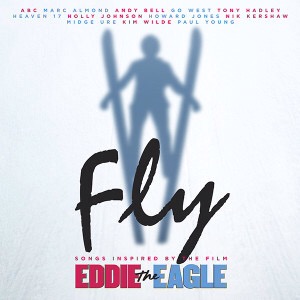
Various Artists – Fly : Songs Inspired By The Film ‘Eddie The Eagle’ (Universal album, 2016)

  
I reviewed the soundtrack to the film Eddie The Eagle for This Is Not Retro. Fly features a who’s who of Eighties music, including everyone from Martyn Ware‘s Heaven 17to Paul Young, most of whom have recorded exclusives for the album.

Erasure‘s Andy Bell delivers the title track, while Nik Kershaw’s ‘The Sky’s The Limit’ (from his 2012 album Ei8ht) steals the show as perhaps the best song ever written about following your dreams. Kershaw said he wrote this song to his child to show that you really can be whatever you want, and as a father to two growing little girls, I can’t listen to this song without getting emotional.

My review can be found here

(c) 2016 Mat Smith / Documentary Evidence 

Andy Bell – Torsten The Beautiful Libertine (Strike Force Entertainment / Cherry Red album, 2016)


Erasure‘s Andy Bell has recorded the follow-up album to Torsten The Bareback Saint, written by Barney Ashton-Bullock with music by Christopher Frost. Bell performed the first chapter in the life of the colourful polysexual Torsten at the Edinburgh Festival in 2014 and will perform this next installment during March 2016 at Above The Stag in London’s Vauxhall.

I reviewed Torsten The Beautiful Libertine for This Is Not Retro. My review can be found here. Also on This Is Not Retro is my interview with Andy from last year and a review of the Variance remix collection.

(c) 2016 Mat Smith / Documentary Evidence
Various Artists – Straight To You – The Gothic Country And Blues That Inspired Nick Cave (Uncut covermount album, 2010)


Uncut put together this covermount CD of tracks that purportedly inspired Nick Cave, covering blues and country tracks by the likes of Leadbelly, Elvis Presley, Hank Williams and Johnny Cash.

I’m always a little dubious of these types of things, especially where the artist in question wasn’t actually involved, particularly since a lot of the tracks and artists here are ones that Nick Cave & The Bad Seeds covered during their career (mostly on Kicking Against The Pricks) – while it may be possible to conclude that they were therefore an influence, I’m not so sure about all of them. The one artist that Cave frequently spoke about as being a major formative influence on him was The Man In Black, Johnny Cash, who Cave would have the nerve-racking opportunity to work with during Cash’s twilight years. Cash’s nihilistic ‘I’d Rather Die Young’ is one of the tracks included here.

Certainly you can hear a certain Birthday Party-era wildness in Gene Vincent’s ‘Cat Man’, there’s the ‘grinderman’ lineage in Memphis Slim’s ‘Grinder Man Blues’ and Cave displayed a healthy interest in the mystical aura of Elvis Presley on ‘Tupelo’. Defining precisely what has influenced a person, given that life is an entire summation of experience – recognised or otherwise – is a fool’s game. When I interview an artist and feel duty-bound to ask them about their influences, it is invariably greeted with a sigh or an awkward silence. We nevertheless are obsessed with such details, on the basis that it helps us rationalise a person via certain reference points, and that will never change.

This is one for the Cave completist only. I’m not sure now whether the magazine that this came with included a feature on Cave or some sort of explanation about how these tracks had been selected, or maybe it tied in with a Bad Seeds release that month. I certainly don’t have it any longer. If you surrender the notion that this is intended as some sort of definitive listing of what made Nick Cave who he is today – ignoring the fact that to do that justice would involve everything from church choir music through to The Stooges – what you are left with is a decent album of some very important blues and country songs.

(c) 2016 Mat Smith / Documentary Evidence

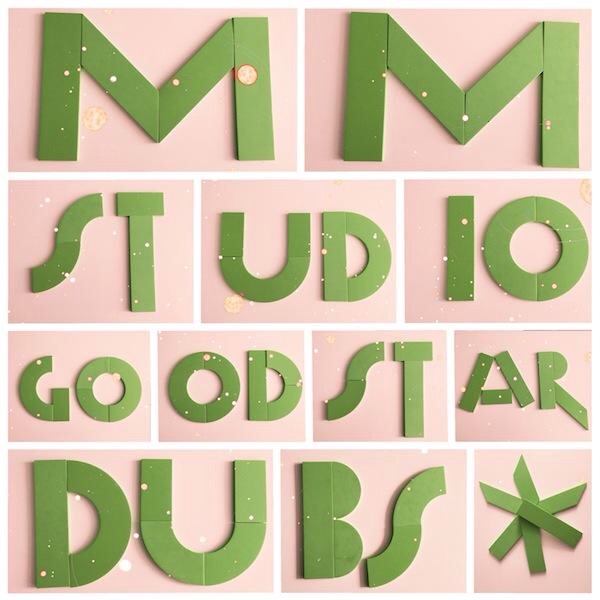
MM-STUDIO – Good Star Dubs (AlbumLabel album, 2016)


I’ve always been partial to electronic dub, and so this new album by MM-STUDIO was a nice one to cover. MM-STUDIO are a duo of Daniel Meteo (accomplice of sometime NovaMute artist T. Raumschmiere and the Shitkatapult label) and Tadd Manning. Manning works as Dabrye and has recorded for the incredible Ghostly International imprint. 

I reviewed the album for Clash and my review can be found here

(c) 2016 Mat Smith / Documentary Evidence

Barry Adamson – Know Where To Run (Central Control album, 2016)

  
I reviewed former Mute stalwart and current Bad Seed Barry Adamson‘s new album Know Where To Run for Clash. My review can be found here.

(c) 2016 Mat Smith / Documentary Evidence
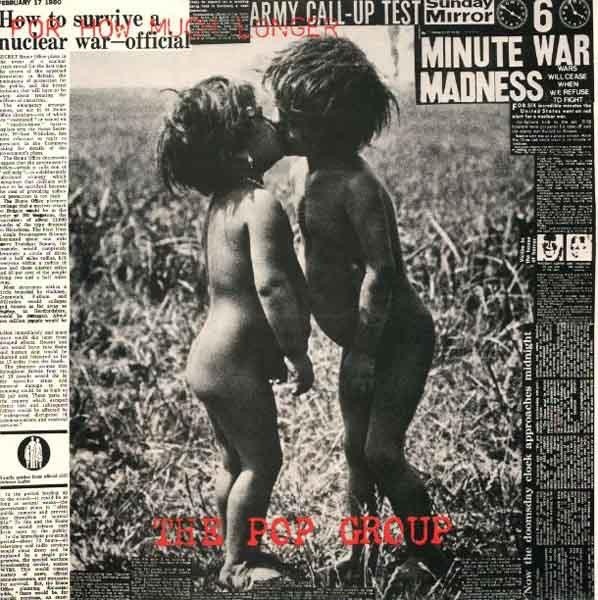
The Pop Group – For How Much Longer Do We Tolerate Mass Murder? (Y / Rough Trade album, 1980)

  
The Pop Group‘s second album has finally been given the reissue treatment. The group consisted of future Mute artist Mark Stewart (vocals), Gareth Sager (guitar and sax), Dan Catsis (bass) John Waddington (guitar) and the drummer they shared with The Slits, Bruce Smith, and For How Much Longer Do We Tolerate Mass Murder? was originally released by the group’s Y label via Rough Trade in 1980. The incendiary album has been reissued by the Freaks R Us label, who were also responsible for putting out The Pop Group’s 2015 album Citizen Zombie. For the reissue the label has also added the single ‘We Are All Prostitutes’ to the track listing. 

I reviewed the album for Clash. My review can be found here.

(c) 2016 Mat Smith / Documentary Evidence

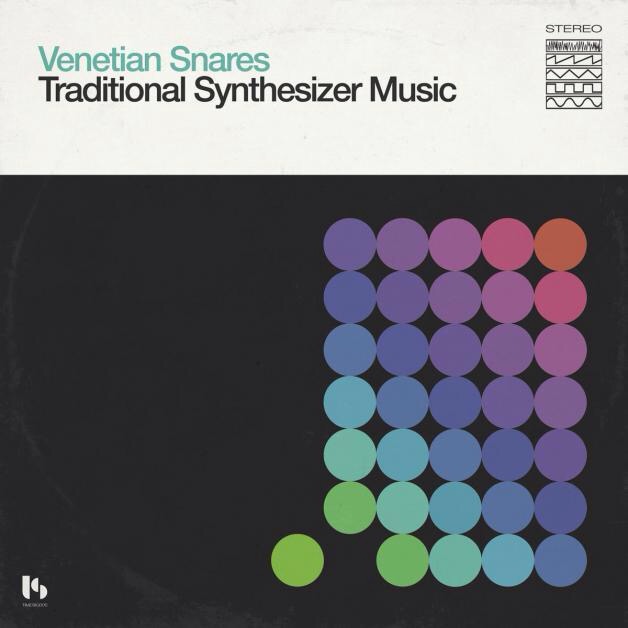
Venetian Snares – Traditional Synthesizer Music (TimeSig / Planet Mu album, 2016)

  
I reviewed this brilliantly wonky album by Aaron Funk for Clash. The album was created using modular synths and has that reverential dimension common to early synth records, mixed with Funk’s usual obtuseness.

Read my review here.

(c) 2016 Mat Smith / Documentary Evidence
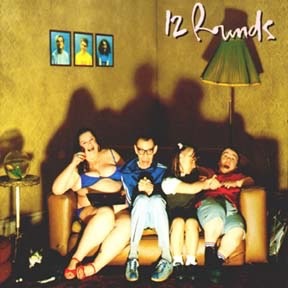
12 Rounds – Jitter Juice (Polydor album, 1996)


12 Rounds were a mid-Nineties group consisting of future Trent Reznor accomplice Atticus Ross, his brother Leopold, Kirk Hellie and vocalist / front woman Claudia Sarne. Their debut album, 1996’s Jitter Juice was an intense, noisy affair, in thrall to the heavier end of grunge but also tipping its hat toward the pop crossover of Garbage and the lumpen end of the trip-hop oeuvre. In Sarne, the group had a singer capable of singing in a earthy, almost cabaret fashion while also veering into a vampiric, Lydia Lunch howl when required.Jitter Juice saw the band collaborate with a bunch of musicians – Billy McGee (who has worked with Coil, Simon Fisher Turner, Marc Almond, Test Dept., Nick Cave and countless others), Ian Mussington from Soul Asylum, cellist Stanley Adler and Mute stalwart Barry Adamson, who’d also worked with McGee on The Negro Inside Me.

Adamson laid down a chugging bassline for the track ‘Pleasant Smell’, which Polydor released as a single from the album. He also played shimmering, ghostly vibes on the melancholy blues of ‘Strange Daze’. Neither contribution rises above the rest of the arrangement with any particular prominence, suggesting Adamson was comfortable here just being part of the band.

Atticus Ross had already worked with Adamson on his Soul Murder album in 1992 and would go on to collaborate with him many more times over the years, while Sarne appeared on Adamson’s ‘Can’t Get Loose’ from As Above So Below. Other players on Jitter Juice like drummer Andy Crisp were also in Adamson’s orbit. Ross and Adamson would work together on the soundtrack for David Lynch’s The Lost Highway, by which time 12 Rounds were already being feted by Trent Reznor’s Nothing imprint after the Nine Inch Nails man overheard Ross’s group working in the studio. In Ross, Reznor found a producer and writing partner that has seen them become David Fincher’s go-to soundtrack composers.

Jitter Juice might be something of an overlooked footnote in the confused musical landscape of the Nineties, but as an exercise in eclecticism and collaboration, it remains intriguing to this day. It feels like a producer’s album, like Atticus Ross showing off his credentials as a sculptor of sound, working through various styles as an advert for what he was capable of. At the other extreme, the lurid green jewel case this was delivered in was just pure gimmickry.

(c) 2016 Mat Smith / Documentary Evidence
Alan Vega / Alex Chilton / Ben Vaughn – Cubist Blues (Thirsty Ear album, 1996)


Cubist Blues was originally released in 1996 and despite the critical reception with which it was received at the time, supported by two live shows in New York and Rennes, it more or less sank into cult obscurity. A reissue by Light In The Attic / Munster in 2015, complete with expansive liner notes and interviews with the surviving members of this one-off collaboration and those who supported the record’s original release, should hopefully act as some redress.

The location is Dessau Recording Studio in New York, housed in an old five-storey factory loft unit just north of Manhattan’s financial district on White Street. The factory building is a window to an older New York, when manufacturing still took place within the cramped environs of the island; a time before rocketing real estate developments, expensive retail stores, art, finance and unabashed ambition were Manhattan’s principal concerns. The studio owners decided to retain the name of the original Dessau Manufacturing Company in the moniker for the studio, despite having no connection whatsoever to its previous occupants.

The date is December 6 1994. The day is fast becoming a distant memory and the night is stretching out before three musicians and their engineer, all of whom are hard at work capturing an unrehearsed, spontaneous jam fronted by Suicide’s Alan Vega. The jam is eventually titled ‘Fat City’.

The jam lasts a little over eight minutes, and finds Vega reeling off words that seem to materialise out of nowhere from the newspaper in front of him, no hesitation or groping in the near-dark for ideas. It is the sound of now, and Vega is as white hot as at any point in his career. The two musicians backing his lysergic utterances with a focussed blues improvisation are multi-instrumentalist Ben Vaughn on bass and Alex Chilton on guitar. A drum machine keeps rigid, chugging time and the duo of Vaughn and Chilton throw out licks and unswerving, constant lines, resonating off Vega’s words but also acting as a musical counterweight. The engineer, Drew Vogelman, manages to record the whole thing. It’s a one take affair. No practices, no pre-jam discussions, just a single, seemingly effortless take. It’s pure alchemy.

The architect of this session is Vaughn, whose idea it was to capture Vega in pure blues mode. Chilton is an unexpected bonus. He hears about the idea from Vaughn and asks to be involved. Vaughn’s up for it but can’t stretch to the air fare to get the esteemed Big Star guitarist across to NYC, so Chilton pays for it himself and jumps on a flight, guitar case in hand. Chilton and Vaughn are both fans of Alan Vega, while Vega recalls standing next to Chilton outside CBGBs smoking cigarettes, but not talking to one another. He thinks of Chilton as a wraith-like character. He calls him The Gray Ghost. Beyond possibly sharing a light and bumming cigarettes off each other on New York’s Skid Row, Vega can’t recall the pair ever speaking.

As ‘Fat City’ wraps, Vaughn suggests they keep on going. They work through the night and record a clutch of tracks, each one created live, in the moment, with no plan. Blues motifs seem to emerge out of the ether, while Vega channels words from any available source, ceaselessly conjuring up images and continually fired up by the setting. At one point he sits on a windowledge, observing the street below and voyeuristically playing back what he sees. As the sun rises, they pack up and head out of the studio, with almost an album’s worth of raw, urgent material in the bag.

They convene at Dessau again the following night and do the same. A synth has been borrowed and Alex and Ben take it in turns to jam out riffs. At times it’s hard not to think about Suicide as fat, looping sequences like the one on ‘The Werewolf’ underpin Vega’s echoing, tremolo purr. It seems appropriate that they would tease out a louche, bar-room version of ‘Dream Baby Dream’ at the conclusion of the session.

Across the two nights of recordings that would eventually be issued by Henry Rollins in 1996 on his 2.13.61 imprint via Thirsty Ear there’s an air of danger, of prowling, vampiric characters staking the eerie side streets of Downtown. It’s mysterious and evocative, drawing on some dark energy as if the players were performing within a pentagram and channeling whatever spirits presented themselves. It stands out as one of the most accomplished and carefully-wrought moments in Vega’s career, and yet flowed forth without any sort of planning except for the idea that they’d attempt to record some blues.

Note: the 2015 reissue includes a download code for the previously unreleased recording of the Rennes concert.

(c) 2016 Mat Smith / Documentary Evidence